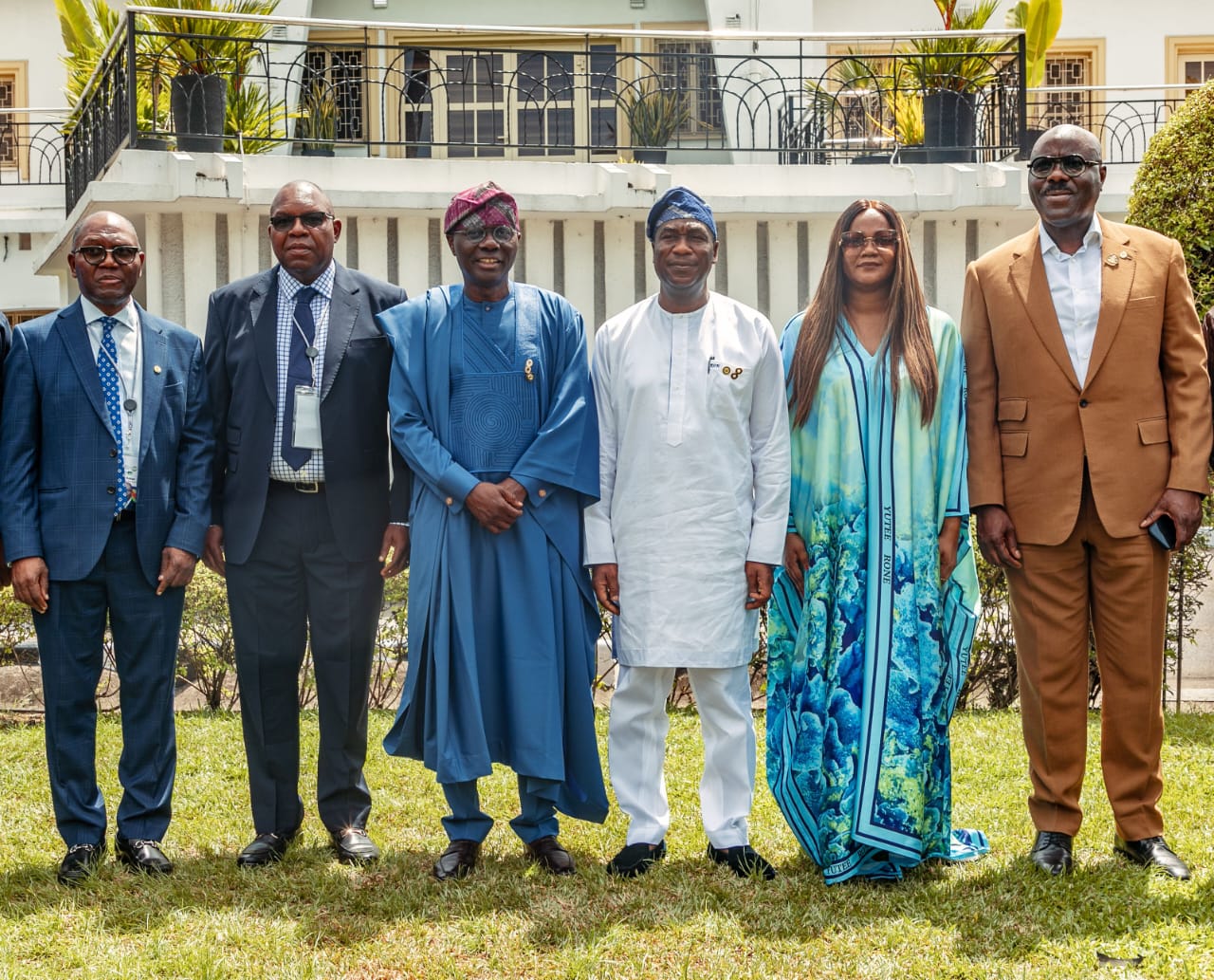
Lagos State Governor, Mr Babajide Sanwo-Olu, on Wednesday commended the performance of the Lagos State Internal Revenue Service (LIRS), describing it as a critical driver of the state’s economic growth, while calling for greater autonomy for tax agencies across the country.
Sanwo-Olu spoke at the State House, Marina, while hosting members of the Joint Revenue Board (JRB) for its 159th meeting, which began on Monday, April 20, 2026.
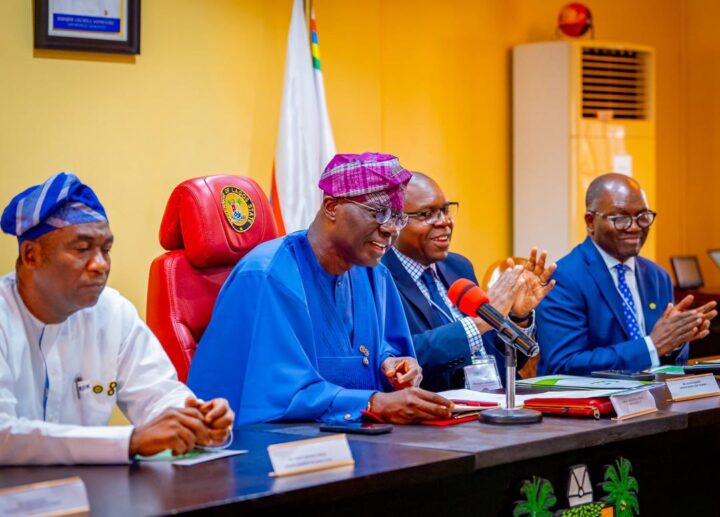
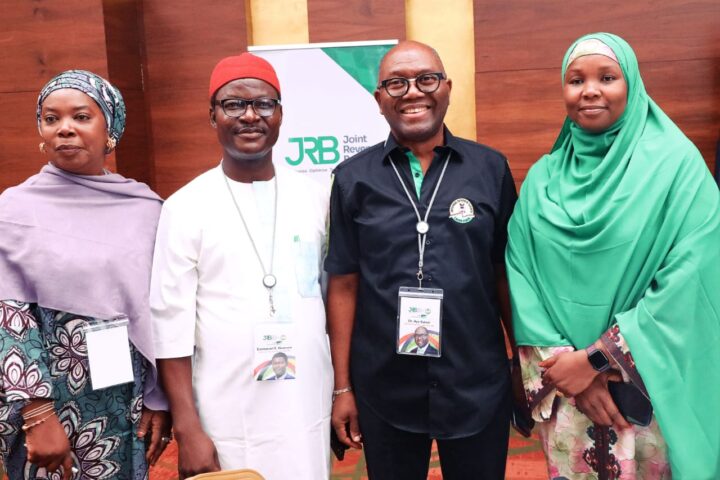
The Joint Revenue Board (JRB) formerly known as the Joint Tax Board (JTB), is made up of the Executive Chairman of the Nigeria Revenue Service (NRS), chairmen of the 36 State Internal Revenue Services and the Chairman of the Federal Capital Territory (FCT), as well as representatives of key agencies including the Federal Ministry of Finance, National Identity Management Commission, Revenue Mobilisation, Allocation and Fiscal Commission, Nigeria Customs Service, Nigeria Immigration Service and the Federal Road Safety Corps.
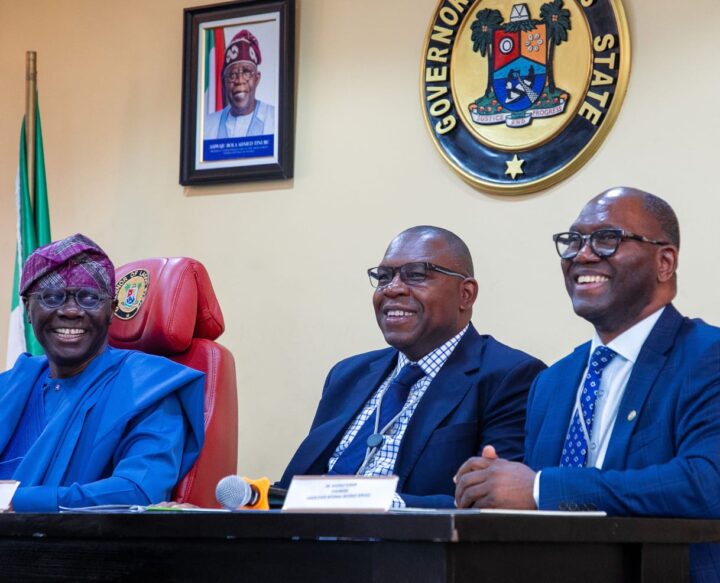
The governor said Lagos had continued to record significant growth in internally generated revenue due to deliberate reforms implemented by LIRS, noting that IGR now accounts for over 60 per cent of the state’s annual budget.
Sanwo-Olu disclosed that Lagos generated N1.3tn as internally generated revenue in 2024, representing a 45 per cent increase over the previous year, driven by reforms spearheaded by the LIRS.
He attributed the growth to sustained investment in digital tax systems, expansion of the tax base, and improved engagement with taxpayers.
“We can say that our internally generated revenues now account for well over 60 per cent of our budget. It has not happened by sheer luck. It is the result of years of investment in digital tax systems, a push to expand our tax net, and building trust with our taxpayers,” the governor said.
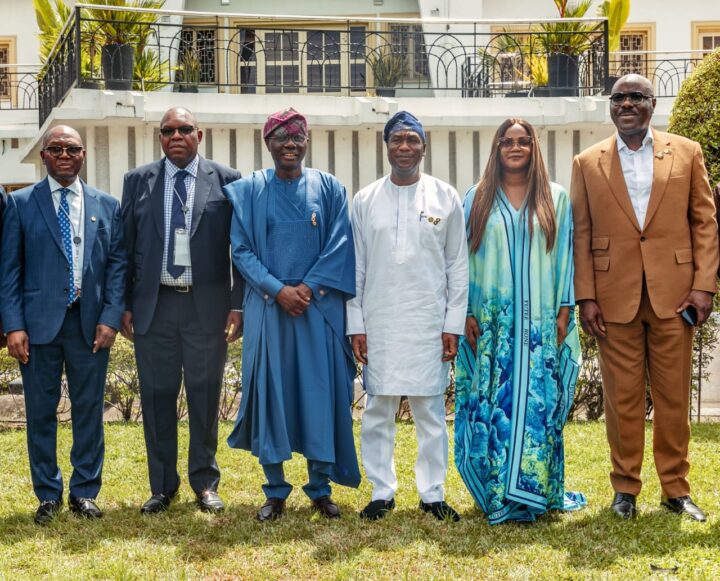
The governor, however, stressed that for other states to replicate Lagos’ success, tax agencies must be allowed to operate independently without undue political interference.
He urged state governors to grant full tenure and operational freedom to revenue authorities, warning that frequent disruptions in leadership could undermine efficiency and public confidence.
Sanwo-Olu said, “Governors need to give revenue agencies clear space to work. They need to give them that independence.
They need to give them full tenure to do their work. It should not be a situation where a governor comes and wants to disrupt the tenure of the chairman. It is only when they do all of this that the confidence of taxpayers, the confidence of workers and subordinates in the system will be enhanced. I will be pushing my brother governors again for them to understand and appreciate that it is only when they give you what you need to work that they can get the benefits of the expertise that you all have.”
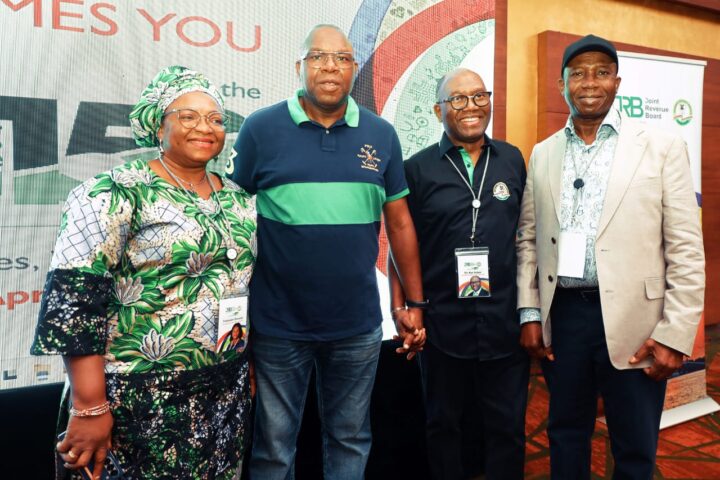
The governor also said taxes paid by residents and businesses were being translated into visible infrastructure and social projects across the state, stressing that Lagos had become a model for linking revenue generation with development.
He said, “For us, it is really about our citizens. It is about the people who have given us the trust to believe in us and to pay these taxes. My deputy and I are consistently committed to ensure that we leave this place a lot better than we met it.”
Highlighting projects funded through public revenue, the governor cited the Blue and Red Rail Lines, road expansion projects, hospitals and new universities. He said Lagos was building a multi-modal transportation system that would combine rail, water transport and buses to improve movement across the state.
Earlier, Chairman of the Lagos State Internal Revenue Service (LIRS), Ayodele Subair, said the Joint Revenue Board had become central to strengthening Nigeria’s tax system through coordination and reform implementation.
He added that the new tax laws had made coordination even more urgent.
“This meeting comes at a pivotal time following the enactment and implementation of the new tax laws. The JRB is positioning itself to support effective implementation by strengthening coordination across all tiers of government,” he said.
Subair noted that Lagos’ hosting of the meeting again after five years reflected its economic importance.
“After a five-year interval, Lagos State is once again honoured to host this important gathering. This reflects the state’s leadership as Nigeria’s economic nerve centre,” he said.
Speaking on behalf of the Chairman of the Joint Revenue Board, Zacch Adedeji, the Executive Secretary of JRB, Olusegun Adesokan, commended Lagos for its revenue performance and governance reforms.
He said, “It is no surprise that Lagos State Internal Revenue Service remains the leading subnational revenue authority in Nigeria.”
Adesokan added that Lagos’ revenue growth reflected long-term reforms.
“Prior to this, the state’s annual internal revenue was less than N94bn. But today, Lagos generates over N1.7tn annually,” he said.
He noted that the increase represented a 39 per cent rise year-on-year.
“These achievements clearly demonstrate how strong revenue performance, when effectively managed, translates into tangible development outcomes for citizens,” he said.
Adesokan further described Lagos as a benchmark for tax administration in Nigeria.
“Your sustained support for tax administration underscores the high priority you accord effective revenue administration and its critical contribution to sustainable development,” he said.
The Executive Chairman, Akwa Ibom State Internal Revenue Service, Okon Okon, thanked Governor Sanwo-olu for hosting the meeting at he highlights the positive experiences of the JRB members in Lagos, especially the Blurail train ride from Marina to Mile 2 and a visit to the Eko Atlantic City.